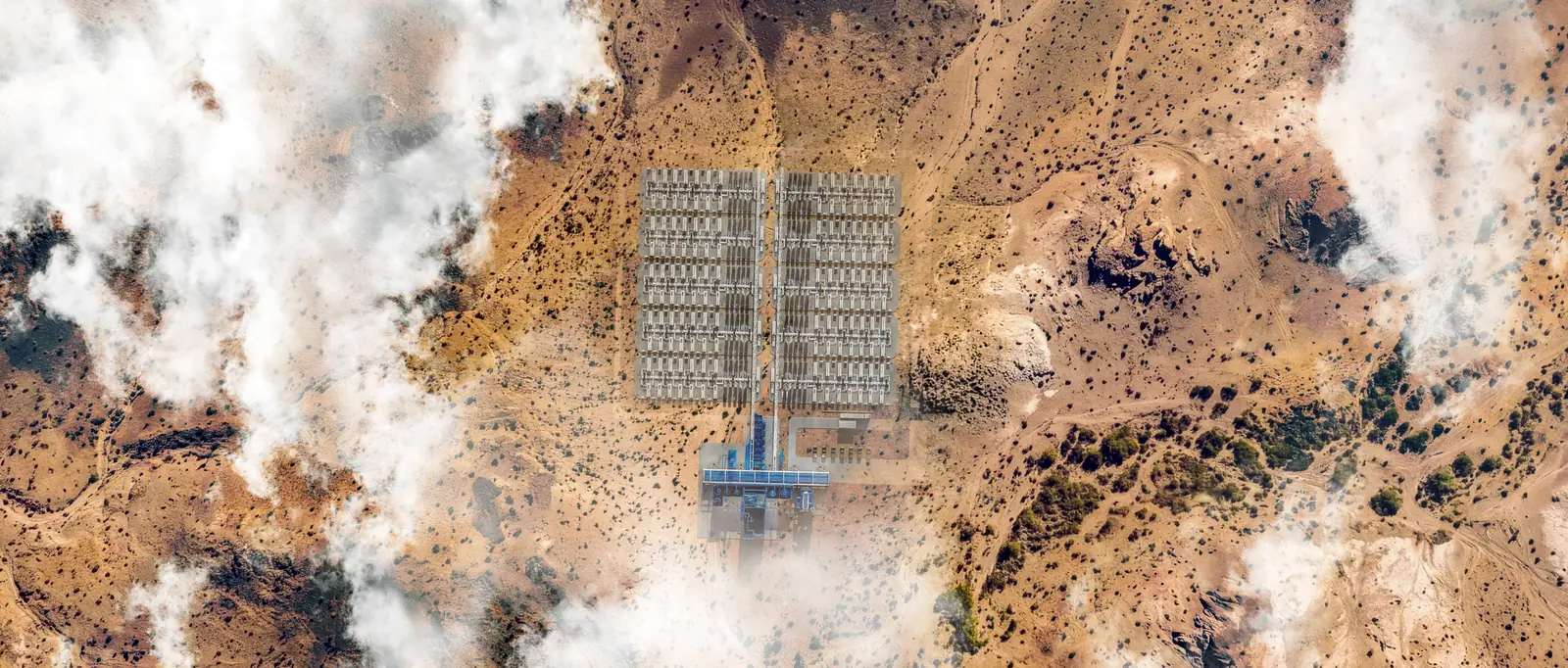
The BaseBlue project, in the Permian Basin.
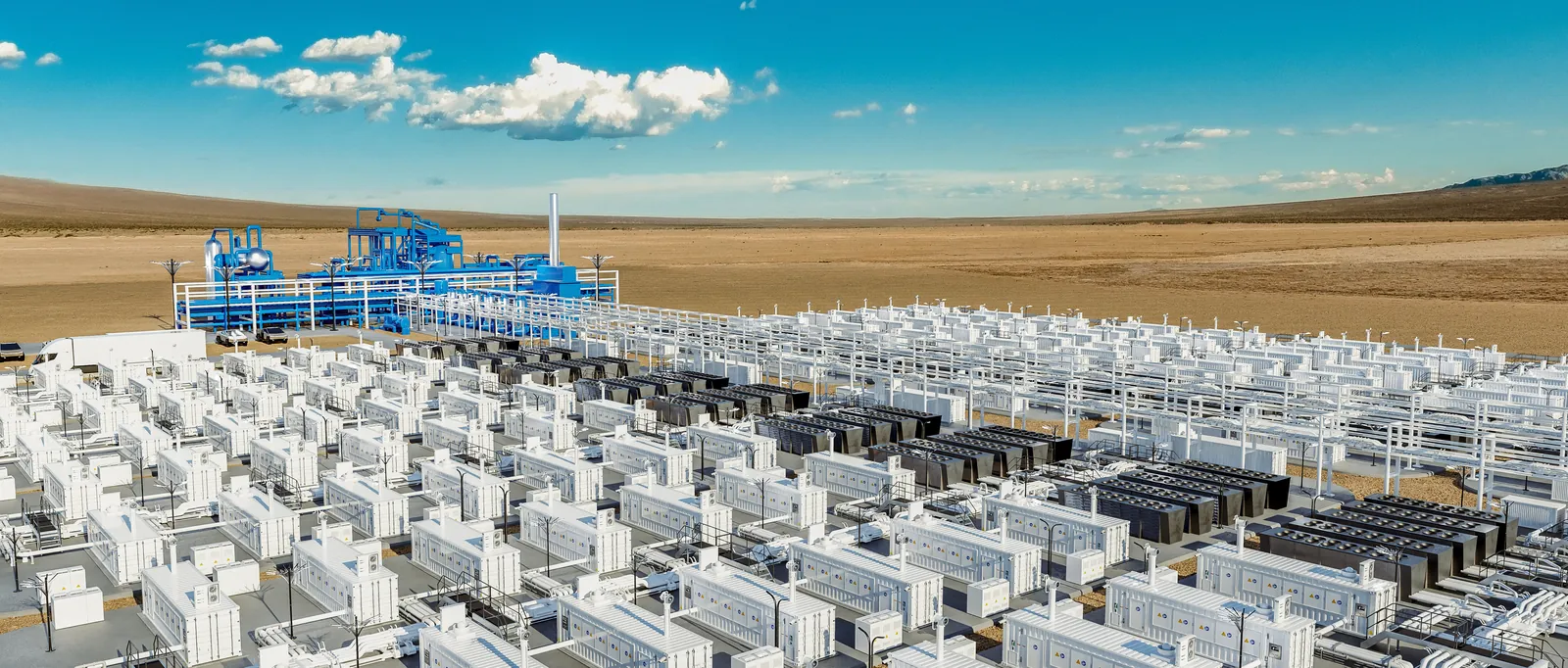
250 MW. A behind-the-meter fuel cell plant in West Texas, next to abundant natural gas and the data centers that need firm power.
- Location
- Permian Basin, Texas
- Capacity
- 250 MW
- Plant
- Fuel cell, behind the meter
- Status
- In development
Why the Permian Basin
A site has to earn its place.
Four things decide whether a location can carry a behind-the-meter plant: the gas that feeds it, the customers that need it, somewhere for the captured CO₂ to go, and a permitting path that does not consume the schedule.
-
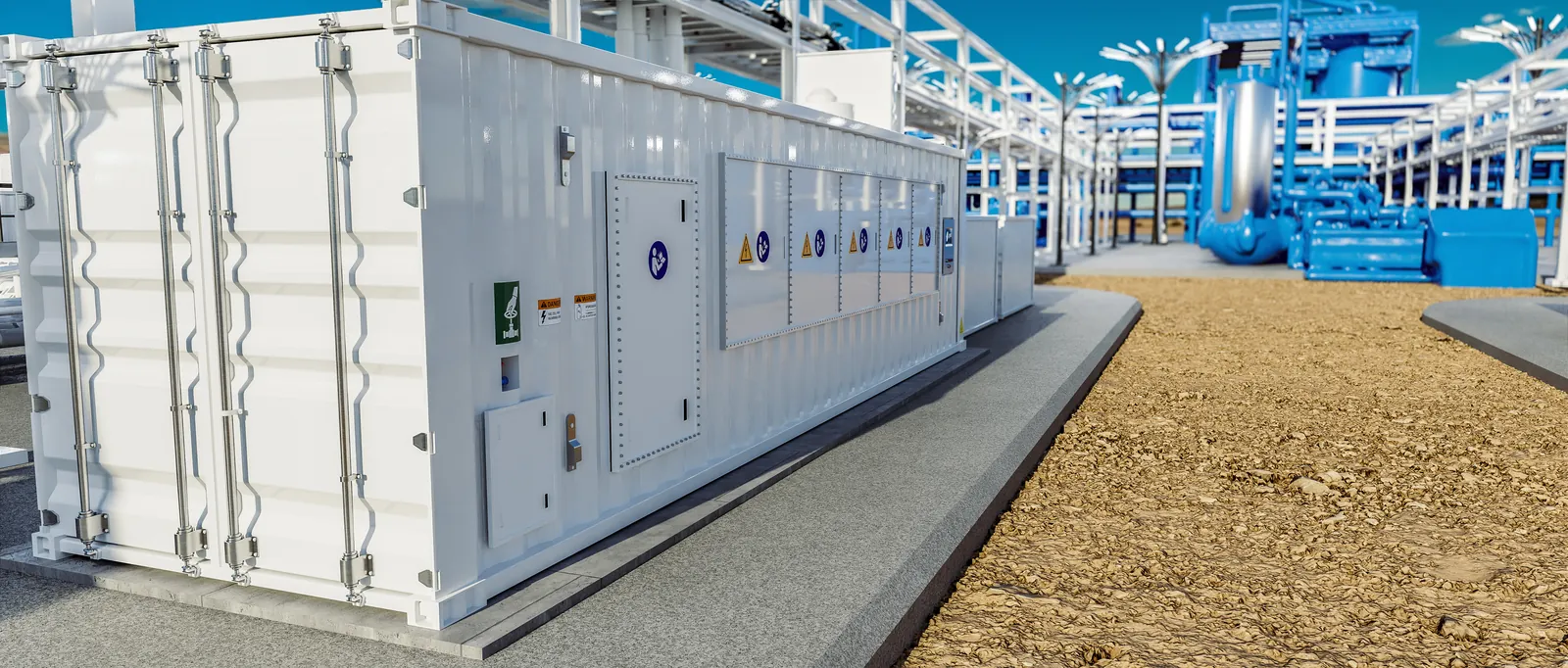
Natural gas
Access to abundant, proximal, low-cost gas, so long-term power pricing stays stable and competitive.
-
Data centers
A location that is attractive to data centers looking for a power connection, in a strong emerging secondary market for hyperscalers.
-
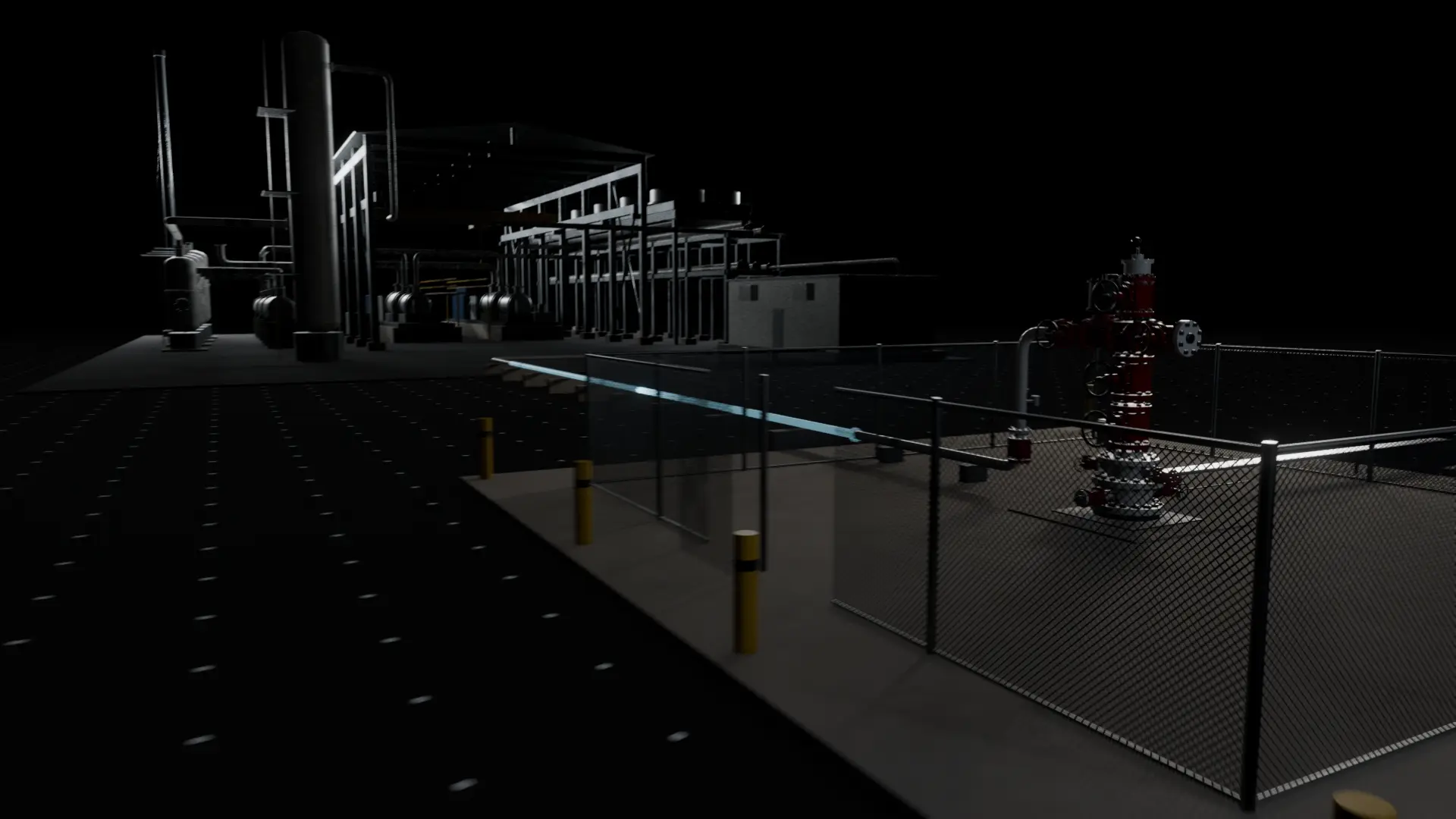
CO₂ offtake
A bankable CO₂ offtake in a long-established, growing enhanced-oil-recovery market, with permitted Class II wells nearby.
-
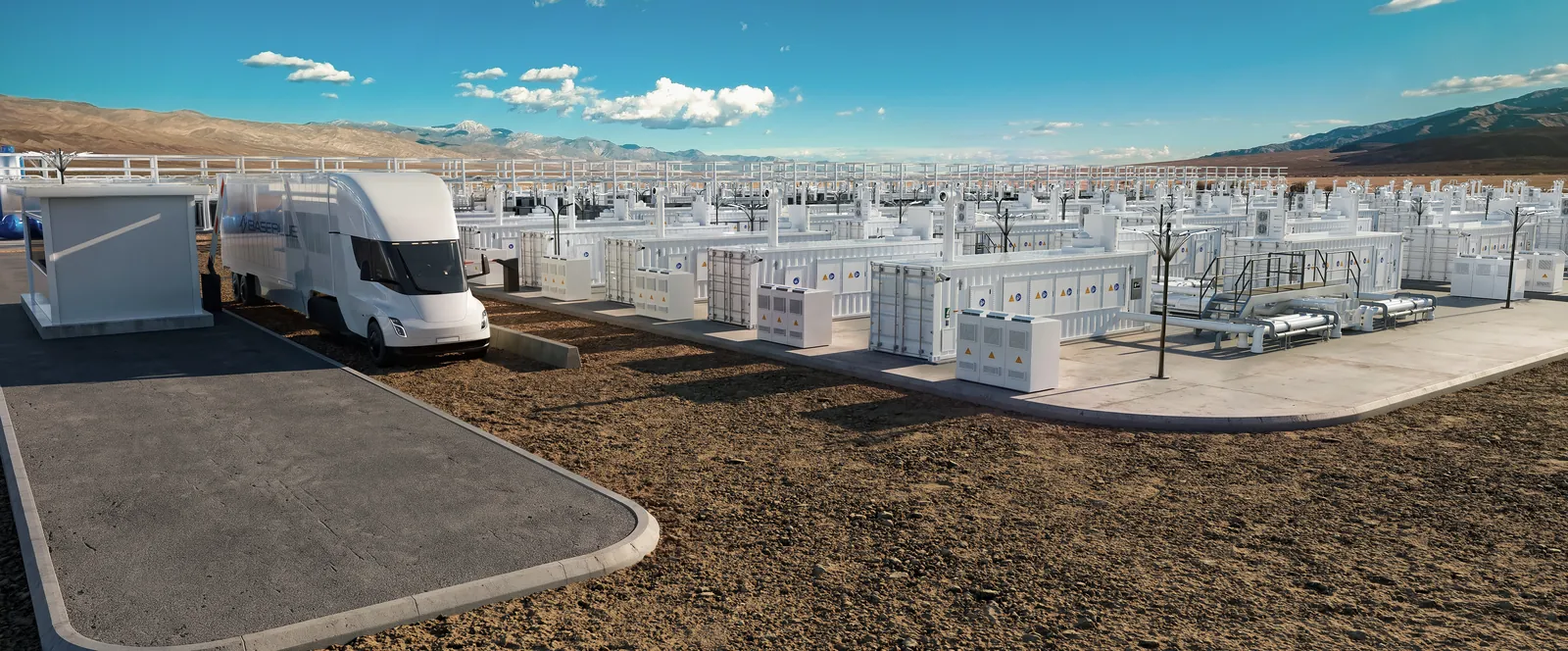
Permitting
A fast permitting process, outside a non-attainment area, in communities used to energy infrastructure.
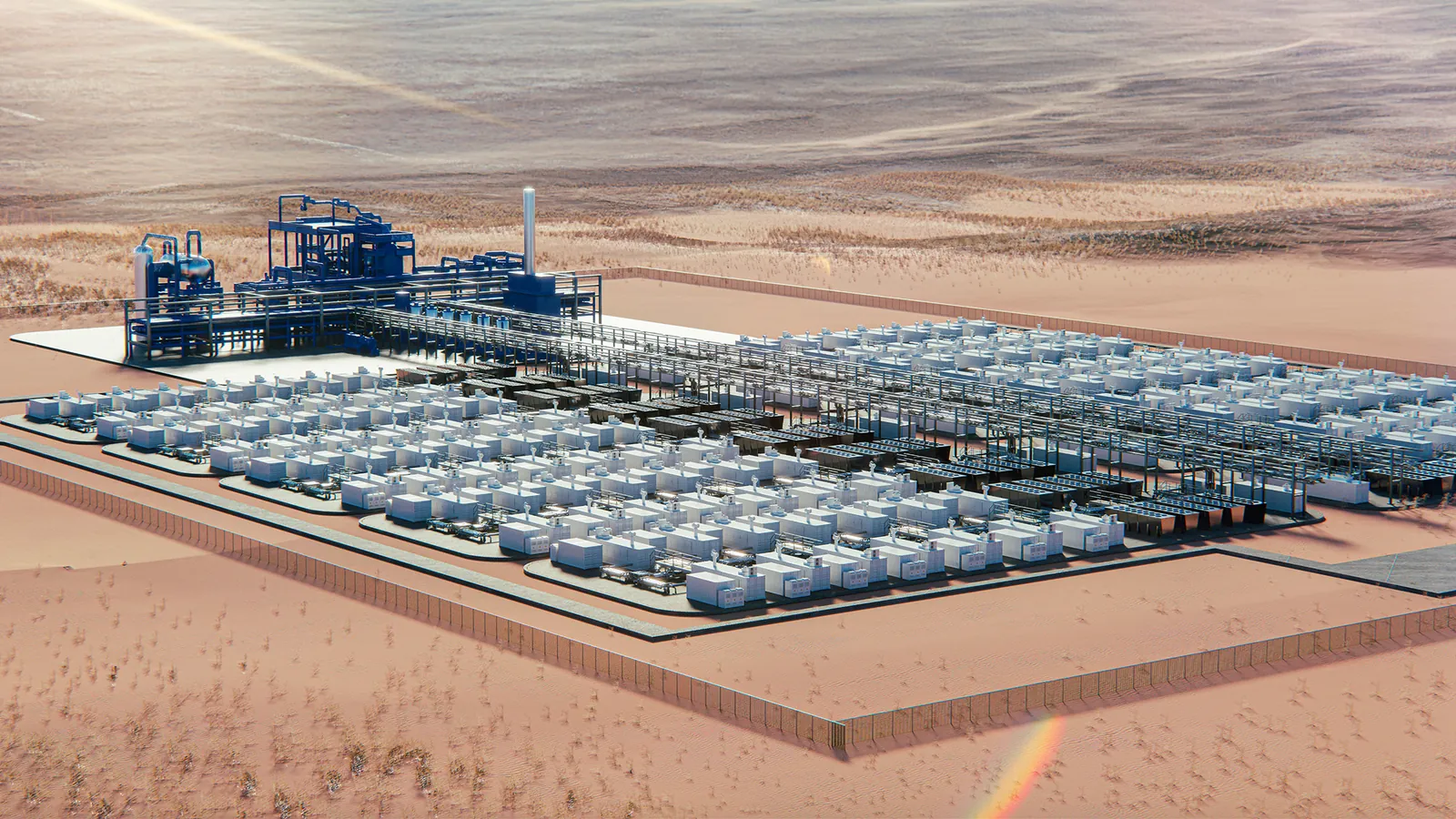
The plant on its parcel.
Development
How a BaseBlue project gets built.
Each project is developed through its own company. HDF Energy supplies the development services and the fuel cell engineering, so the technical risk and the commercial risk sit with the same team.
Develop
Land, permitting, and the topographical, geotechnical and environmental studies that validate the design.
Engineer
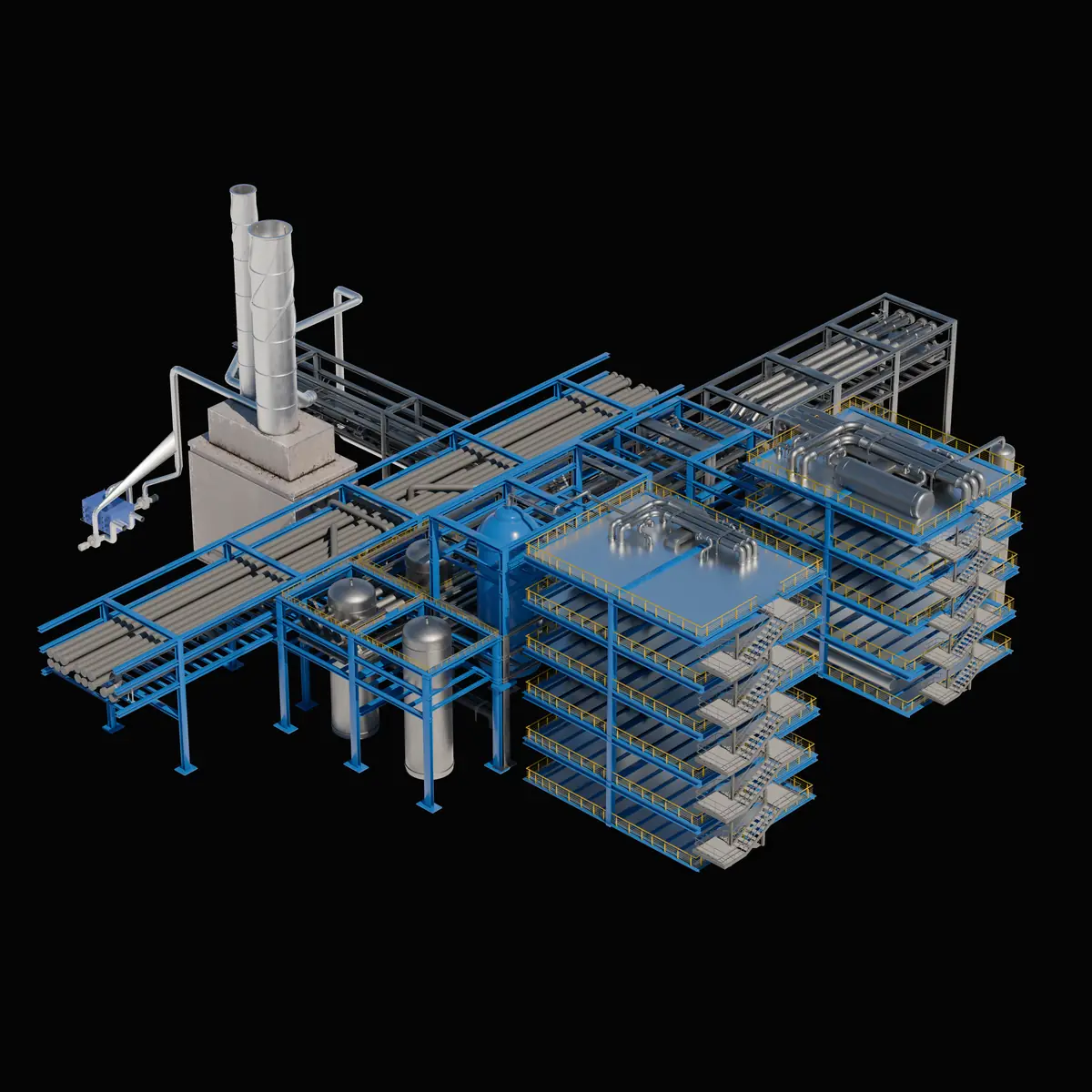
In-house engineering for the hydrogen-to-power system and its balance of plant, feasibility studies and power system design.
Finance
Equity and debt structuring, tax credit application and modeling, financial due diligence, and engagement with investors.
Build and operate
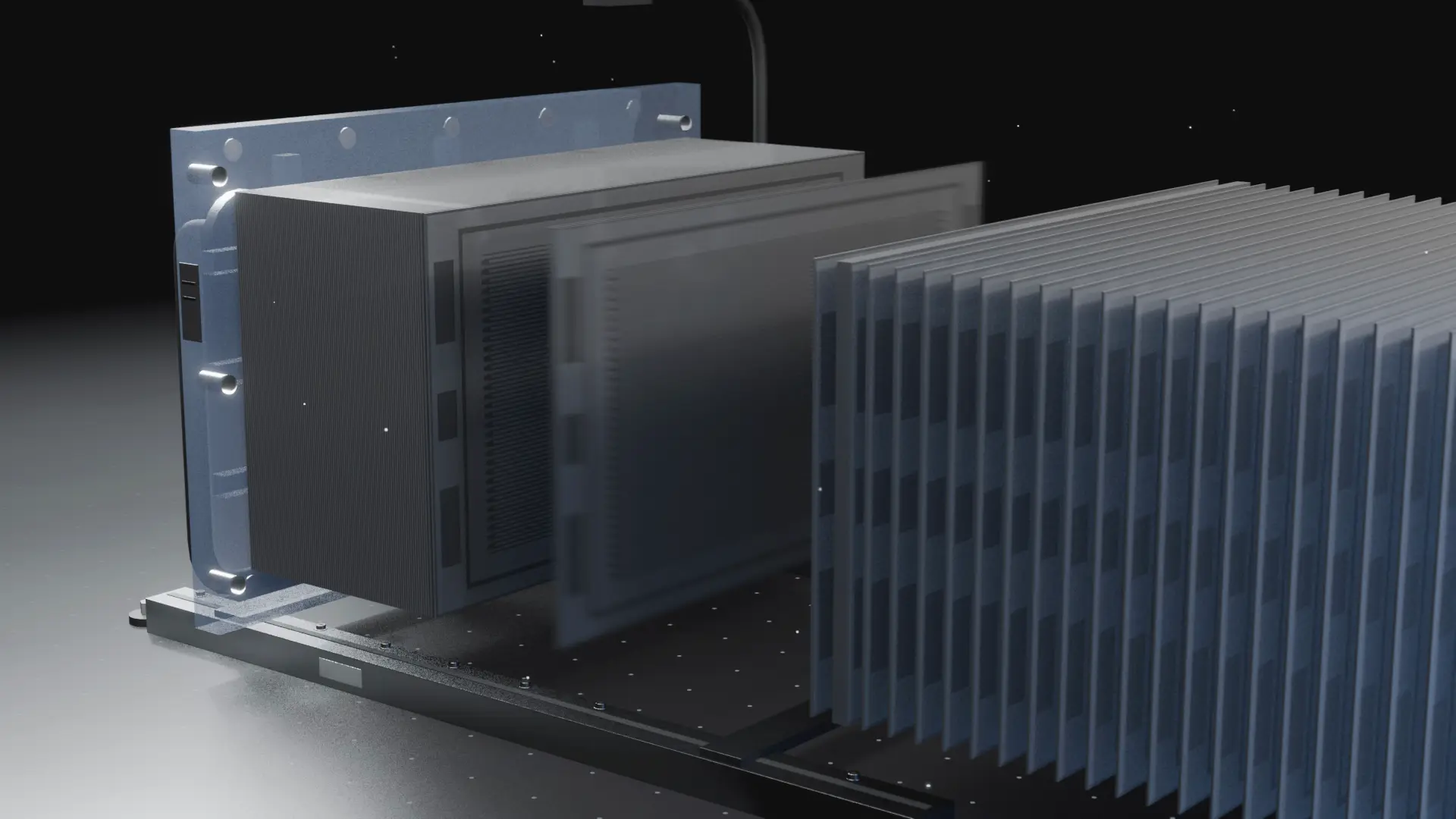
The EPC contract is tendered and awarded, HDF Energy delivers the factory-built blocks, and the plant runs 24/7.
250 MW · Permian Basin
Power built where the load is
BaseBlue Power is an HDF Energy project. The plant sits next to the load it serves, so capacity does not wait on a grid interconnection.